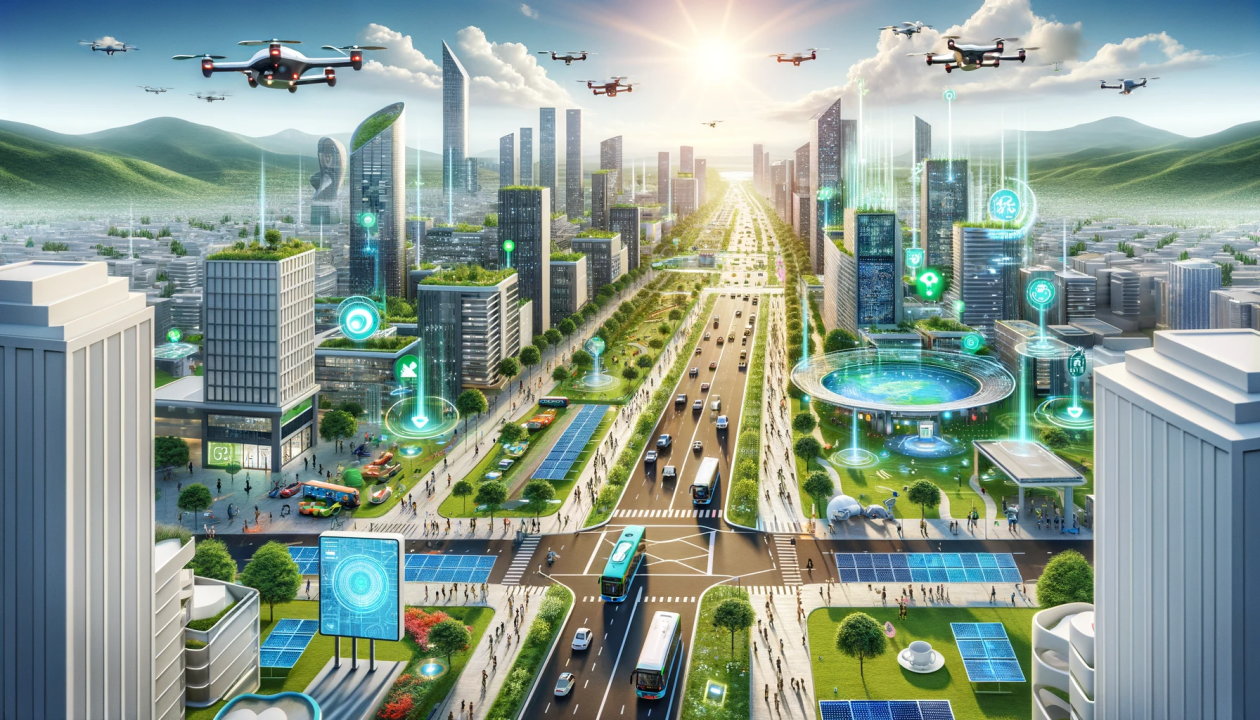
The global map of innovation is being dramatically redrawn. For decades, the conversation was dominated by a few established giants Silicon Valley, London, Tokyo. But the future belongs to a new, dynamic breed of urban centers. These are the Future Innovation Cities: ecosystems where ambitious government vision, cutting-edge academic research, venture capital funding, and a powerful culture of entrepreneurship converge to solve the world’s most pressing challenges.
This isn’t just about technology; it’s about creating sustainable, livable, and economically resilient models for humanity’s future. From tackling climate change to revolutionizing healthcare and redefining urban mobility, these hubs are the laboratories where tomorrow is being built today. This article unveils the top ten cities poised to lead the coming decades, exploring the unique formula that makes each one a beacon of progress and a magnet for global talent.
A. The Core Pillars of an Innovation Ecosystem
Before diving into the list, it’s crucial to understand what transforms a mere city into a powerhouse of innovation. It’s a complex alchemy, but four fundamental pillars are non-negotiable:
A. Visionary Government Policy & Investment: This includes everything from offering tax incentives for startups and R&D, passing flexible regulations for emerging industries like fintech and biotech, and making massive public investments in infrastructure, education, and digital connectivity. Smart city initiatives are often a key component.
B. World-Class Academic & Research Institutions: Universities are the engines of innovation. They produce a steady stream of talented graduates, conduct groundbreaking fundamental research, and often facilitate technology transfer turning theoretical discoveries into commercial products and companies.
C. Robust Access to Venture Capital & Funding: Ideas need fuel. A thriving network of angel investors, venture capital firms, and corporate investment arms is essential to transform a prototype in a garage into a global company. This financial ecosystem provides not just capital but also mentorship and networking opportunities.
D. A Thriving Culture of Collaboration & Entrepreneurship: Perhaps the most intangible yet critical pillar. It’s a culture that embraces risk, tolerates failure as a learning step, and encourages collaboration between universities, large corporations, and fledgling startups. This creates a powerful synergy where ideas can cross-pollinate and scale rapidly.
B. The Top 10 Future Innovation Hubs Revealed
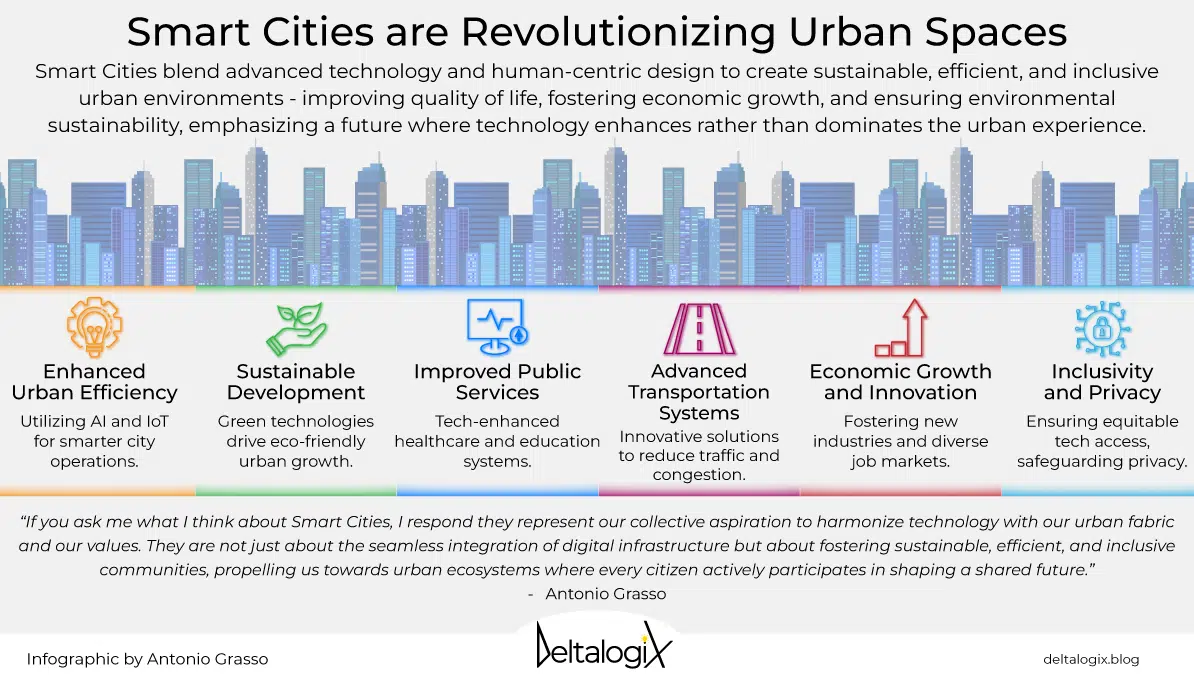
Based on comprehensive analysis of the pillars above, global investment trends, and patent filings, these ten cities stand out as the innovation powerhouses of the future.
1. Singapore: The Smart City Prototype
Singapore’s journey from a small port city to a global innovation leader is a masterclass in strategic planning. With limited natural resources, the nation has bet its future on human capital and technology.
-
Key Strengths: Its “Smart Nation” initiative is arguably the world’s most comprehensive, integrating technology into every facet of urban life, from traffic management and digital identity to health tech. The government actively funds deep tech research in areas like AI and biomedical sciences.
-
Thriving Sectors: Fintech, Biotech, Advanced Manufacturing, Artificial Intelligence, and Cybersecurity.
-
Why it’s a Future Hub: Its political stability, strategic location, English-speaking workforce, and relentless focus on future-proofing its economy make it a safe and attractive hub for multinational corporations and startups alike.
2. Tel Aviv, Israel: The “Startup Nation” Epicenter
Despite its small size and geopolitical challenges, Tel Aviv boasts the highest density of startups in the world. Its culture of innovation is born from necessity and a unique military R&D background.
-
Key Strengths: The unit 8200 of the Israeli Defense Forces is a legendary incubator for cybersecurity and tech talent. The city has a world-leading venture capital per capita ratio. Israeli culture champions “Chutzpah”—a boldness to challenge the status quo.
-
Thriving Sectors: Cybersecurity, Agri-Tech (Agritech), Autonomous Vehicles, Digital Health, and Enterprise Software.
-
Why it’s a Future Hub: Its unparalleled ability to produce serial entrepreneurs who continuously found new companies ensures a constant renewal of its innovative edge.
3. Helsinki, Finland: The Sustainable Tech Capital
Helsinki is quietly emerging as a global leader in sustainable technology and ethical AI. The city embodies the Nordic principle of “sisu”a stoic determination to overcome challenges.
-
Key Strengths: Home to the groundbreaking “Helsinki Model” of data sharing, which promotes the ethical use of city data for public good. It has a fiercely collaborative ecosystem where public and private sectors work closely together. The city also runs excellent startup visa programs.
-
Thriving Sectors: CleanTech, EdTech, Health & Wellbeing Tech, Smart Mobility, and Gaming (home to Rovio and Supercell).
-
Why it’s a Future Hub: As the world prioritizes sustainability and ethical technology, Helsinki’s values-driven approach positions it as a trusted and crucial innovation hub.
4. Austin, Texas, USA: The New Tech Mecca
Austin has successfully positioned itself as the prime alternative to Silicon Valley’s high costs and congestion. Its famous slogan, “Keep Austin Weird,” reflects a culture that attracts creative and independent thinkers.
-
Key Strengths: A business-friendly environment with no state income tax. It boasts a major research university (The University of Texas at Austin) and hosts world-class events like SXSW, which blends technology, music, and film, fostering incredible cross-industry innovation.
-
Thriving Sectors: Semiconductor Technology, SpaceTech, Artificial Intelligence, and Digital Media.
-
Why it’s a Future Hub: A massive influx of tech giants (Tesla, Oracle, Apple) and venture capital from California is supercharging its ecosystem, creating a self-sustaining cycle of growth.
5. Bangalore, India: The Global IT Powerhouse
Once known as the “Garden City,” Bangalore is now the undeniable tech capital of India. It is a testament to how a deep pool of engineering talent can create a global innovation center.
-
Key Strengths: Home to premier educational institutes like the Indian Institute of Science (IISc) and the Indian Institute of Management (IIM). It offers a massive, skilled, and English-speaking workforce that drives the global IT and software services industry.
-
Thriving Sectors: Information Technology, SaaS (Software-as-a-Service), Biotech, Aerospace, and E-commerce.
-
Why it’s a Future Hub: As Indian startups move from services to creating world-class products, Bangalore is at the forefront, with a rapidly growing domestic market providing a perfect testing ground.
6. Stockholm, Sweden: The Unicorn Factory
Stockholm produces more billion-dollar “unicorn” companies per capita than any other city outside Silicon Valley. Companies like Spotify, Klarna, and Skype have set a powerful precedent.
-
Key Strengths: A strong social safety net encourages entrepreneurial risk-taking. The government provides extensive digital infrastructure, and there is a strong focus on gender equality in the startup scene. English is widely spoken, making it incredibly international.
-
Thriving Sectors: FinTech, Music & Audio Tech, Gaming, Life Sciences, and Retail Tech.
-
Why it’s a Future Hub: Its proven track record of creating globally dominant brands from a Nordic base ensures it will continue to be a major player on the world stage.
7. Shenzhen, China: The Hardware & Manufacturing Hub
Shenzhen’s transformation from a fishing village to a global electronics manufacturing megalopolis is unprecedented. It is the physical embodiment of “hardware innovation.”
-
Key Strengths: Unrivaled manufacturing supply chains. You can design, prototype, manufacture, and ship a product within a single city. Markets like Huaqiangbei are living laboratories for electronics. Heavy government investment in R&D is paying dividends.
-
Thriving Sectors: Hardware Innovation, Robotics, Drone Technology (home to DJI), Telecommunications (home to Huawei), and Biotechnology.
-
Why it’s a Future Hub: As the Internet of Things (IoT) connects the physical and digital worlds, Shenzhen’s mastery of hardware gives it a critical and enduring advantage.
8. Toronto, Canada: The AI & Diversity Champion
Toronto leverages its immense cultural diversity and academic prowess to build a uniquely inclusive and powerful tech ecosystem. It is a leading center for ethical artificial intelligence research.
-
Key Strengths: Home to the Vector Institute, a world-leading AI research center spun out of the University of Toronto. Canada’s progressive immigration policies make it easy to attract global top talent. It offers a high quality of life at a lower cost than many U.S. hubs.
-
Thriving Sectors: Artificial Intelligence, Machine Learning, FinTech, and Life Sciences.
-
Why it’s a Future Hub: As AI becomes more integrated into society, Toronto’s focus on responsible and diverse AI development positions it as a thoughtful and necessary leader.
9. Berlin, Germany: The European Creative Tech Hub
Berlin’s relatively low cost of living, rich history, and vibrant creative scene have long attracted artists and entrepreneurs. This has evolved into a powerful fusion of culture and technology.
-
Key Strengths: A thriving community of developers, designers, and artists collaborating on new ideas. The city has a very affordable ecosystem compared to other Western European capitals and a culture that encourages experimentation.
-
Thriving Sectors: Creative Tech, SaaS, E-commerce, BioTech, and Renewable Energy.
-
Why it’s a Future Hub: It is the startup capital of Europe’s largest economy, giving it access to a massive market and solid industrial base for “Industry 4.0” innovations.
10. Seoul, South Korea: The Hyper-Connected Metropolis
Seoul offers a glimpse into a high-tech future. Its citizens are among the most connected in the world, and the government is aggressively investing in becoming the first “5G-enabled digital city.”
-
Key Strengths: Blazing-fast internet infrastructure nationwide. Massive corporate giants like Samsung and Hyundai act as anchors, fostering startups and innovation. A tech-savvy population is eager to adopt new technologies.
-
Thriving Sectors: 5G Technology, Robotics, E-Sports, Digital Entertainment, and Smart City Solutions.
-
Why it’s a Future Hub: Its ability to rapidly test and deploy new technologies at a city-wide scale makes it an ideal living lab for the future of urban living.
C. Emerging Trends Shaping These Hubs
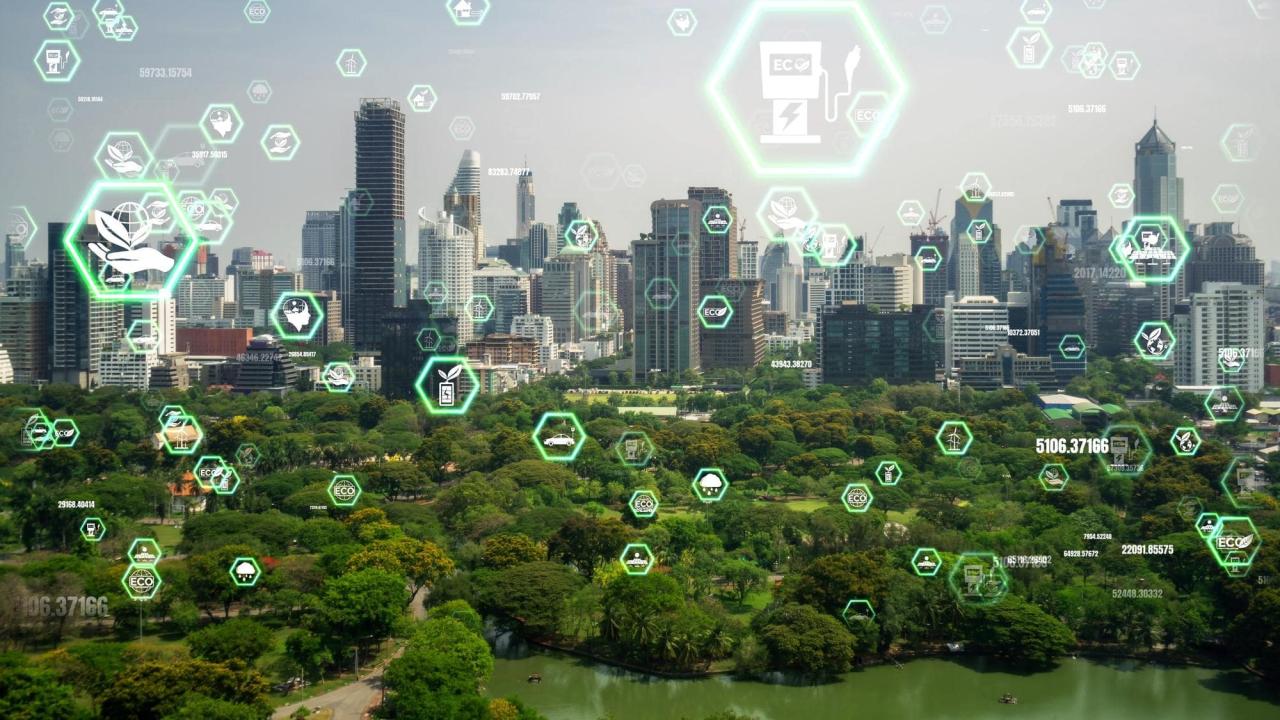
The innovation in these cities isn’t happening in a vacuum. It’s being driven by macro-trends that define the 21st century:
C. The Rise of Sustainable and Green Tech: Climate change is the defining challenge, and hubs leading in CleanTech, circular economy models, and renewable energy will be critical.
D. The Integration of AI and IoT in Urban Management: The true “smart city” uses AI to analyze data from millions of IoT sensors to optimize energy use, traffic flow, and public services in real-time.
E. The Decentralization of Work and Talent: The remote work revolution means talent is no longer geographically locked. This allows innovation hubs to attract global minds without requiring physical relocation, further accelerating their growth.
F. Increased Focus on HealthTech and Biotech: The COVID-19 pandemic was a stark reminder of the importance of medical innovation. Cities with strong life sciences sectors are investing heavily in genomics, personalized medicine, and telehealth.
D. How to Tap Into These Innovation Ecosystems
Whether you’re an investor, entrepreneur, or professional, engaging with these hubs is key to future success.
-
For Investors: Look beyond traditional markets. Research venture capital funds and angel investor networks specifically focused on these emerging hubs. The next big opportunity might be in Bangalore or Helsinki, not just Silicon Valley.
-
For Entrepreneurs: Consider locating a subsidiary or your entire startup in one of these cities. Many offer “startup visas,” grants, and incubator programs designed specifically to attract foreign entrepreneurs and provide a soft landing.
-
For Professionals: Actively seek out remote opportunities or plan a relocation to these cities. Upskilling in high-demand areas like AI, data science, cybersecurity, or sustainable design will make you a valuable asset to these growing ecosystems.
Conclusion: A Multipolar Future of Innovation
The future of innovation is not monolithic; it is multipolar. No single city will hold a monopoly on great ideas. The next decade will be defined by a global network of interconnected hubs, each with its own unique strengths and specializations. From Singapore’s intelligent urban planning to Tel Aviv’s cybersecurity prowess and Shenzhen’s manufacturing mastery, this diversity of thought and capability is our greatest asset in tackling global challenges. By understanding and engaging with these future innovation cities, we not only invest in economic growth but also actively participate in building a better, smarter, and more sustainable world for all.