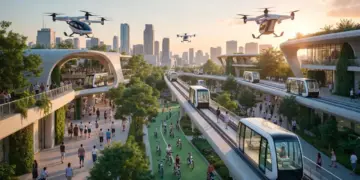
In the 21st century, the battle for economic supremacy, talent attraction, and sustainable growth is no longer fought between nations alone; it is waged between cities. The modern metropolis is more than a concentration of people and infrastructure; it is a living, breathing ecosystem that must constantly evolve or risk stagnation. This evolution is powered by a single, critical force: innovation. An Innovation City is not a futuristic fantasy with flying cars. It is a pragmatic, meticulously designed urban environment that systematically fosters creativity, accelerates problem-solving, and harnesses technology to enhance the quality of life for every resident. This comprehensive guide provides the essential blueprint for urban planners, civic leaders, entrepreneurs, and engaged citizens to understand and build the foundation for a truly innovative city.
A. Deconstructing the Innovation City: Beyond Smart Technology
Many conflate an “Innovation City” with a “Smart City.” While technology is a crucial enabler, an Innovation City has a broader, more human-centric focus. A Smart City might focus on deploying IoT sensors to manage traffic flow, which is excellent for efficiency. An Innovation City uses that data as a starting point to ask, “How can we redesign our public transportation network to be more equitable, create new business opportunities, and reduce our carbon footprint?” It’s the difference between automation and transformation.
The core of an Innovation City lies in its ability to create a virtuous cycle:
-
Talent attracts capital: Creative, skilled individuals draw in companies and investment.
-
Capital enables infrastructure: Investment funds advanced research, startups, and modern facilities.
-
Infrastructure fosters collaboration: Well-designed spaces and digital networks allow talent to connect and collide.
-
Collaboration generates innovation: These connections lead to new ideas, businesses, and solutions.
-
Innovation attracts more talent: The city gains a reputation as a hub of progress, drawing even more skilled people, and the cycle repeats.
B. The Foundational Pillars of a Thriving Innovation Ecosystem
Building an innovation-driven urban center requires strengthening these four interconnected pillars.
B.1. Cultivating a Dynamic Human Capital Engine
A city’s most valuable asset is its people. An innovation economy thrives on a diverse, skilled, and continuously learning workforce.
-
World-Class Education Anchor: The presence of major universities and research institutions is non-negotiable. They act as engines of basic research, talent pipelines, and sources of groundbreaking spin-off companies. fostering strong industry-academia partnerships is key to ensuring research solves real-world problems.
-
Lifelong Learning Platforms: In a rapidly changing job market, the learning cannot stop at graduation. The city must support coding bootcamps, vocational re-training programs, online course access, and workshops that allow the existing workforce to adapt and upskill.
-
Diversity and Inclusion as a Strategy: Homogenous groups produce homogenous ideas. A truly innovative city actively policies and programs that attract and retain a global talent pool across gender, ethnic, and socioeconomic backgrounds. Diverse teams are proven to be more creative and better at problem-solving.
B.2. Designing Collaborative Physical and Digital Infrastructure
Innovation doesn’t happen in a vacuum; it requires spaces and systems that facilitate connection and experimentation.
-
Innovation Districts: Instead of isolated tech parks on the city’s outskirts, the modern approach is to create dense, walkable, mixed-use districts where research labs, corporate offices, startup incubators, coffee shops, and apartments coexist. This physical proximity drastically increases the chance encounters that spark new ideas.
-
Ubiquitous Connectivity: High-speed, affordable fiber optic and 5G internet is not a luxury; it is the 21st-century utility, as essential as water or electricity. It is the bedrock upon which digital innovation is built.
-
Open Data Initiatives: A transparent city government that publishes non-sensitive data (e.g., traffic patterns, energy usage, public health stats) empowers citizens, journalists, and entrepreneurs to analyze information and build applications that address civic challenges.
B.3. Fostering a Supportive Economic and Policy Environment
The rules of the game matter. Public policy can either stifle innovation or actively accelerate it.
-
Startup-Friendly Regulation: Cities must audit their own processes business licensing, permitting, zoning laws—to remove unnecessary bureaucratic barriers for new ventures. Initiatives like “regulatory sandboxes” allow startups to test new products in a controlled environment with temporary rule exemptions.
-
Strategic Public Procurement: Instead of always buying from large, established corporations, city governments can use their purchasing power to support local innovation. Setting aside contracts for small businesses or acting as a first customer for a local cleantech startup can be transformative.
-
Intellectual Property Protections: Clear and accessible frameworks for protecting IP give innovators the confidence to invest time and resources into new creations, knowing their ideas can be safeguarded.
B.4. Nurturing a Vibrant Cultural and Social Fabric
The “soft” elements of a city are often what make the “hard” investments in technology and infrastructure pay off.
-
Tolerance for Risk and Failure: A culture that stigmatizes business failure will kill innovation. Celebrating well-executed attempts that didn’t succeed, and viewing them as learning experiences, is vital to encouraging entrepreneurial risk-taking.
-
Arts and Creativity: A thriving arts scene music, theater, galleries, street art is not just for leisure. It stimulates creative thinking, makes the city attractive to talent, and often leads to cross-pollination between technology and the arts (e.g., new media, design thinking).
-
Quality of Life Offerings: Ultimately, people choose to live in places they love. Access to green spaces, parks, recreational facilities, diverse culinary scenes, and short commute times are critical for attracting and retaining the individuals who drive innovation.
C. A Step-by-Step Blueprint for City Leaders and Stakeholders
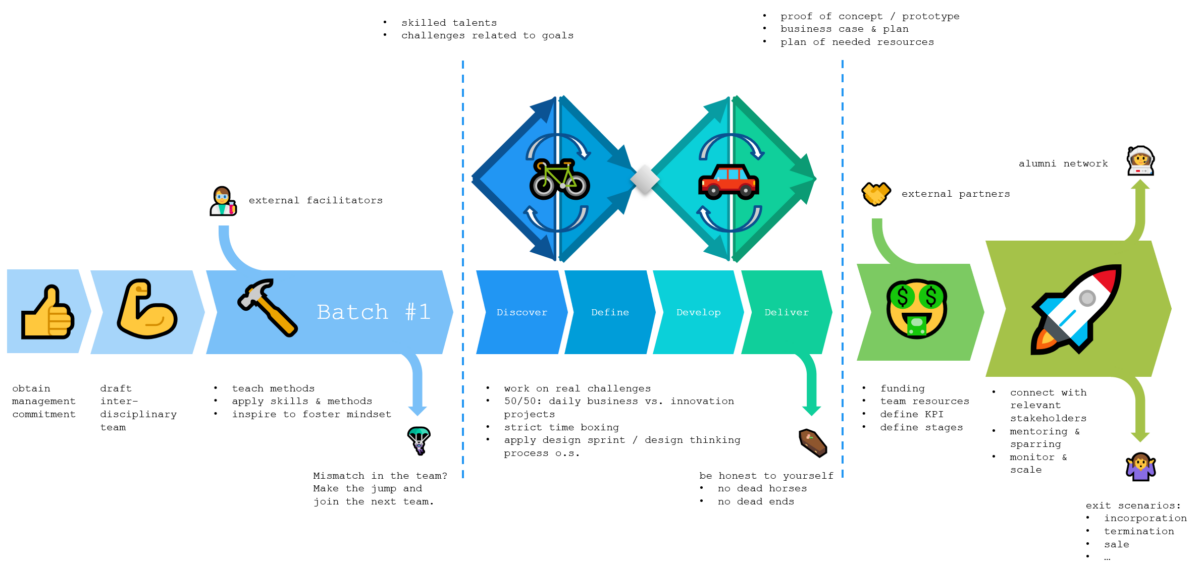
Transforming a city does not happen overnight. It requires a deliberate, phased approach.
Phase 1: Audit and Assessment (The Diagnostic)
A. Form a cross-sector task force including government, business, academia, and community groups.
B. Conduct a rigorous SWOT Analysis (Strengths, Weaknesses, Opportunities, Threats) focused specifically on the city’s innovation capacity.
C. Map the existing ecosystem: Identify all current actors startups, incubators, research centers, investor groups and how they interact (or don’t).
Phase 2: Vision Crafting and Stakeholder Alignment (The North Star)
A. Based on the audit, define a clear, compelling, and unique vision. Will you be a leader in biotech, sustainable energy, fintech, or advanced manufacturing?
B. Communicate this vision relentlessly to all stakeholders to build buy-in and create a shared sense of purpose.
C. Set specific, measurable, and achievable short-term and long-term goals (e.g., “increase venture capital funding by 50% in 5 years,” “launch two new innovation districts by 2030”).
Phase 3: Initiative Launch and Piloting (The Action)
A. Prioritize 2-3 high-impact, “quick-win” projects to build momentum and demonstrate progress. This could be launching an open data portal, designating a small area as a testbed for new urban tech, or creating a simple grant program for startups.
B. Secure funding through public-private partnerships, grants, and reallocating existing budgets.
C. Launch these pilot programs with clear metrics for success and failure.
Phase 4: Scale, Refine, and Institutionalize (The Grind)
A. Analyze the results of the pilot programs. Learn from what worked and what didn’t.
B. Scale the successful initiatives across the city.
C. Embed the principles of innovation into the city’s official long-term planning documents, budgets, and operational DNA, ensuring the work continues beyond political cycles.
D. Case Studies in Urban Innovation: Lessons from the Front Lines
-
Medellín, Colombia: Once notorious for drug violence, Medellín’s transformation is a masterclass in using inclusive urban design as an innovation tool. Their investment in cable cars and escalators connecting impoverished hillside barrios to the city center was not just a transport project; it was a profound social innovation that integrated marginalized communities into the city’s economic and cultural life.
-
Estonia (Nation-as-City): While a country, Estonia’s “e-residency” program and digital-first government (X-Road) offer a breathtaking blueprint for any city. By making citizen services seamless, secure, and digital, they freed up human capital for creative pursuits and created a globally accessible platform for entrepreneurial innovation.
-
Singapore: A leader in forward-looking urban policy. Its “Smart Nation” initiative is holistic, focusing on everything from digital literacy for seniors to nationwide sensor networks for urban planning. Its constant experimentation with housing policy, congestion pricing, and vertical greenery provides a model of long-term, adaptive governance.
E. Overcoming Common Roadblocks to Innovation
The path is fraught with challenges. Anticipating them is half the battle.
-
Resistance to Change: Bureaucracies are inherently conservative. Combat this with strong leadership, clear communication of benefits, and involving critics early in the process.
-
Digital Divide: Technological innovation can exacerbate inequality if access to its benefits is not universal. Initiatives must include digital literacy training and ensure affordable access to prevent creating a two-tiered society.
-
Short-Term Political Cycles: Innovation requires a long-term perspective that often clashes with election cycles. The solution is to build a broad, non-partisan coalition of champions who can sustain the vision across different administrations.
-
Funding Constraints: Public budgets are tight. Creativity is required, leveraging private investment, philanthropic funding, and reallocating existing resources from outdated programs toward high-impact innovation initiatives.
Conclusion: Your City’s Future Starts Today
Building an Innovation City is not about finding a one-size-fits-all formula. It is a continuous process of adaptation, learning, and collaboration. It is about intentionally designing an urban environment where human potential can be unlocked, where problems are met with creative zeal, and where the future is not something that happens to the city, but something that is built by it. The blueprint is not a rigid set of instructions but a flexible framework. The question for every stakeholder is no longer if their city needs to innovate, but how they will contribute to making it happen. The time to start drawing your blueprint is now.