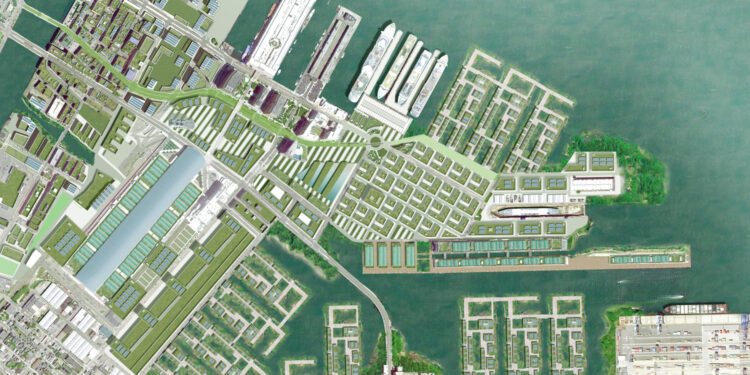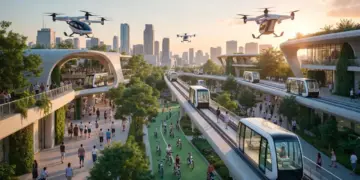
The 21st century is the century of the city. For the first time in human history, more than half of the global population resides in urban areas, a number projected to swell to nearly 70% by 2050. This relentless urbanization presents an unprecedented dual challenge: accommodating massive growth while simultaneously mitigating the severe environmental, social, and economic strains it creates. The concrete jungles of the past are no longer viable; the future demands a new paradigm. This is where the critical concept of sustainable city innovation comes into play. It represents a transformative approach to urban design, planning, and management, leveraging cutting-edge technology and forward-thinking policies to create cities that are not only livable but truly regenerative and resilient for generations to come.
Why Sustainable Urban Innovation is No Longer Optional
The push for sustainable cities is driven by an urgent and interconnected set of global crises. Ignoring these issues is a path to certain urban decay.
A. The Climate Change Imperative: Cities are both major contributors to and primary victims of climate change. They consume over 75% of the world’s energy and are responsible for more than 70% of global carbon emissions. They face direct threats from rising sea levels, intensified heatwaves, and extreme weather events, jeopardizing infrastructure and human safety.
B. Resource Depletion and Pollution: Linear economic models of “take, make, dispose” have led to the unsustainable extraction of resources and the creation of immense waste. Urban centers generate vast amounts of air, water, and soil pollution, directly impacting public health and ecosystem integrity.
C. Social Equity and Quality of Life: Rapid, unplanned urbanization often exacerbates inequality, leading to overcrowded housing, inadequate public services, and social fragmentation. Sustainable innovation seeks to bridge these gaps, ensuring that all citizens have access to clean air, green spaces, efficient transportation, and economic opportunity.
Pillar A. Revolutionizing Urban Mobility and Transportation
Transportation is the lifeblood of a city, but it is also a primary source of congestion and pollution. Innovative solutions are fundamentally redefining how people and goods move.
A. The Electric Vehicle (EV) Ecosystem: The transition to EVs is a cornerstone of decarbonizing transport. Innovation extends beyond the cars themselves to encompass city-wide infrastructure:
-
Smart Charging Networks: Dense networks of public charging stations, including ultra-fast chargers, are essential. Smart grids that manage charging during off-peak hours prevent blackouts and optimize renewable energy use.
-
Electric Public Transit: The electrification of buses, trams, and trains eliminates both emissions and noise pollution, creating cleaner and quieter urban corridors.
B. Mobility as a Service (MaaS): MaaS platforms, accessible via smartphone apps, integrate various transport options into a single, seamless service. Users can plan, book, and pay for a combination of public transit, bike-sharing, e-scooter rentals, and ride-hailing services, making car ownership less necessary.
C. Data-Driven Traffic Management: AI-powered systems analyze real-time traffic data from sensors and cameras to optimize traffic light timing, manage congestion, and provide drivers with intelligent routing suggestions. This reduces idle time, lowers emissions, and improves overall flow.
D. Prioritizing Active and Human-Scale Transport: Truly sustainable cities prioritize walking and cycling. This involves creating extensive, safe, and interconnected networks of pedestrianized zones, protected bike lanes, and greenways, promoting health and reducing short-distance vehicle trips.
Pillar B. Pioneering Energy and Waste Management Systems
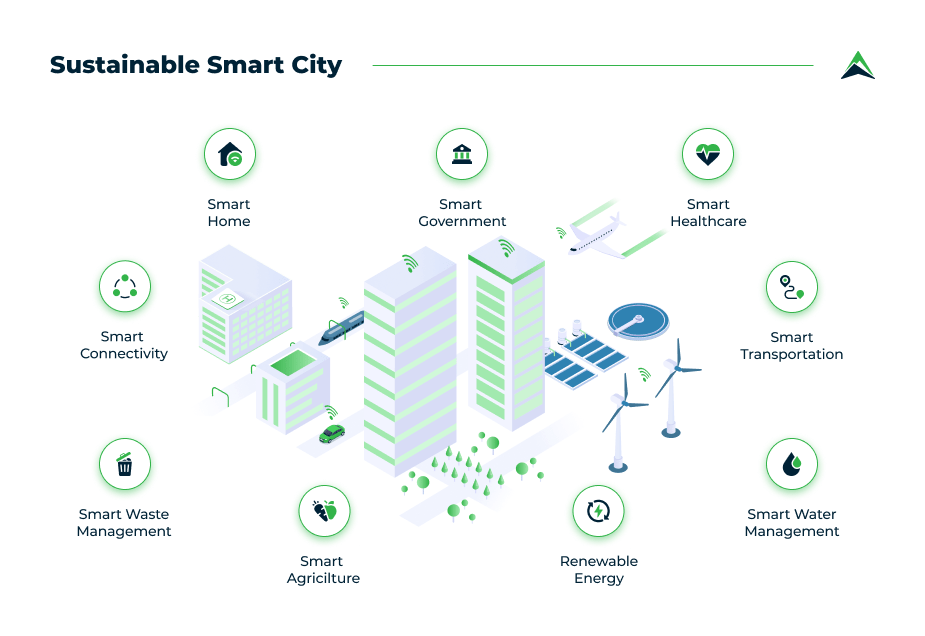
The goal is to shift from a model of consumption to one of circularity, where waste is designed out, and resources are continuously reused.
A. The Smart Grid and Renewable Integration: The traditional power grid is becoming a dynamic, intelligent “smart grid.” It leverages IoT sensors and AI to balance supply and demand in real-time, efficiently integrating distributed renewable energy sources like:
-
Rooftop Solar Arrays: Incentivizing solar panels on residential, commercial, and industrial buildings turns consumers into “prosumers” who generate their own power.
-
Community Microgrids: These localized energy systems can operate independently from the main grid during outages, enhancing resilience using local solar, wind, or battery storage.
B. Waste-to-Value Innovations: Moving beyond simple recycling, advanced facilities now convert waste into valuable resources.
-
Anaerobic Digestion: Organic waste is processed in digesters to produce biogas (a renewable natural gas) and nutrient-rich compost, diverting waste from landfills and creating energy.
-
Advanced Recycling Plants: AI and robotics are used to improve sorting efficiency for plastics and other materials, enabling higher-quality recycling and a truer circular economy.
C. Circular Water Management: Sustainable cities treat water as a precious resource. Innovations include:
-
Greywater and Rainwater Harvesting: Systems that capture and treat water from sinks, showers, and rainfall for non-potable uses like irrigation and toilet flushing, significantly reducing demand on municipal supplies.
-
Permeable Pavements: These surfaces allow stormwater to seep into the ground, replenishing aquifers and reducing the burden on storm drains and the risk of flooding.
Pillar C. Rethinking Urban Planning and Green Infrastructure
The very fabric of the city its buildings and public spaces is being reimagined to work in harmony with nature.
A. Biophilic Design and Green Architecture: This philosophy seeks to connect building occupants more closely to nature. Key features include:
-
Living Walls and Green Roofs: Vegetated surfaces on buildings provide insulation (reducing heating and cooling costs), absorb stormwater, filter air pollutants, and provide habitats for wildlife.
-
Passive House Design: Ultra-energy-efficient buildings that maintain a comfortable temperature year-round with minimal active heating or cooling, drastically slashing energy demands.
B. Urban Greening and Biodiversity Corridors: Beyond individual buildings, cities are creating interconnected networks of parks, community gardens, and green corridors. This “green infrastructure” mitigates the urban heat island effect, reduces air pollution, enhances mental well-being, and supports urban biodiversity by allowing species to move between habitats.
C. Mixed-Use Zoning and Density Done Right: Sustainable urban planning promotes mixed-use neighborhoods where residential, commercial, and recreational spaces coexist. This reduces dependency on cars, encourages walking, fosters a stronger sense of community, and creates more vibrant, 24-hour districts.
Pillar D. The Role of Digital Technology and Smart Governance
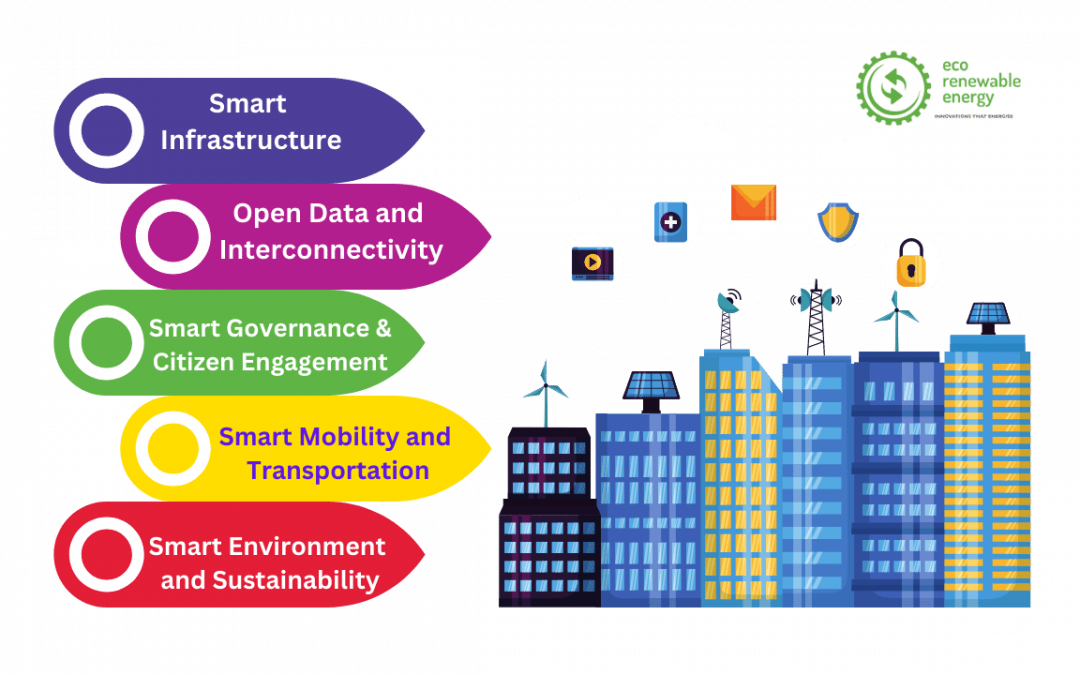
Technology serves as the central nervous system that enables and connects all other innovations, making urban systems visible, manageable, and efficient.
A. The Internet of Things (IoT) Sensor Network: A vast array of sensors deployed throughout the city collects real-time data on everything from air quality and noise levels to bin fullness and traffic patterns. This data is the fuel for intelligent decision-making.
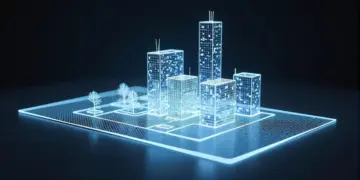
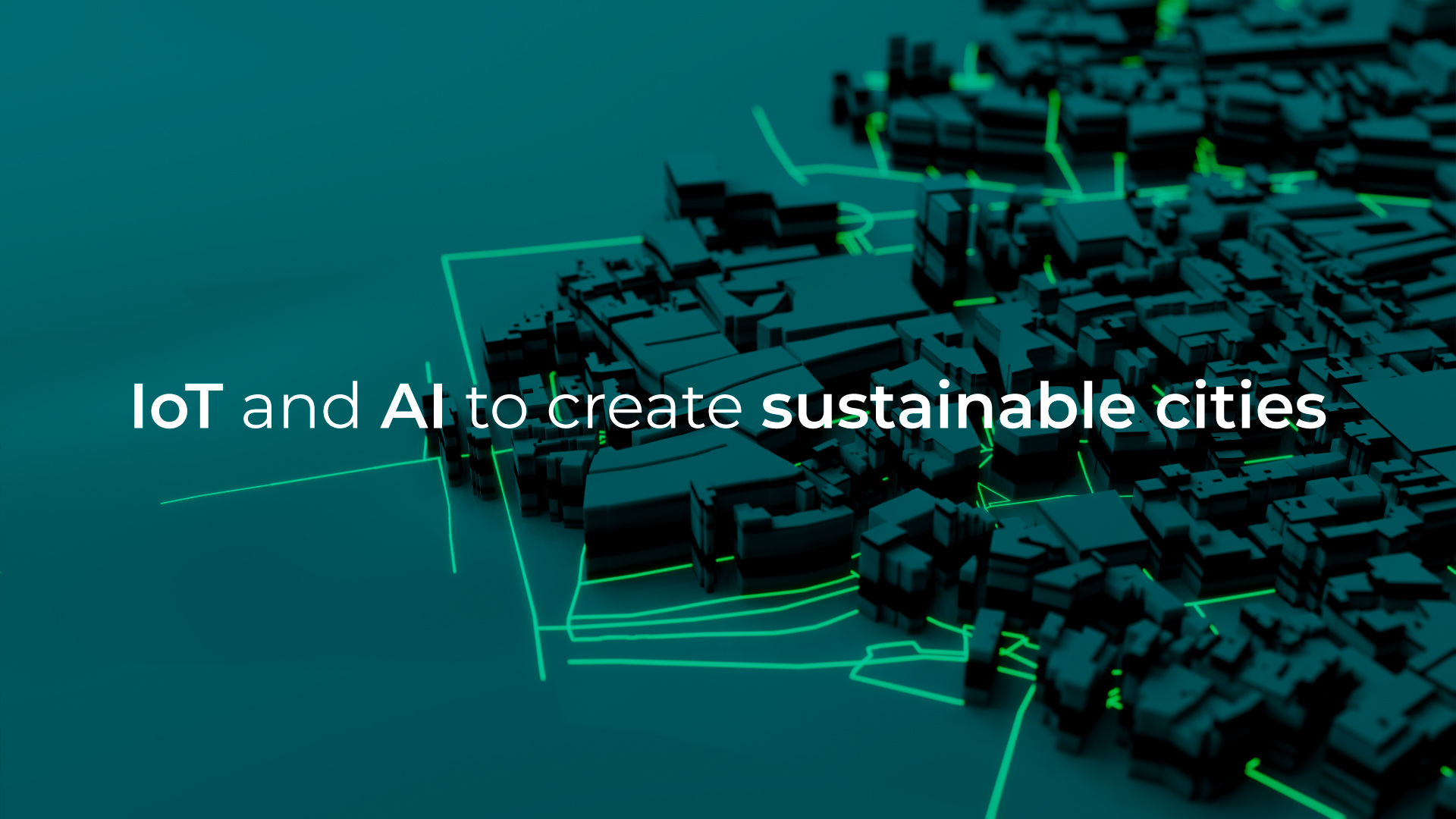
B. Urban Digital Twins: These are virtual, dynamic replicas of a city, built on data from IoT sensors. Planners and officials can use these models to simulate the impact of new policies, visualize traffic flow, test emergency response scenarios, and optimize infrastructure projects before a single physical resource is spent, saving time and money.
C. AI-Powered Predictive Analytics: Artificial intelligence algorithms analyze vast datasets to predict future events. This allows cities to move from reactive to proactive governance predicting where maintenance is needed, optimizing energy distribution, and even identifying areas at high risk for crime or health crises.
D. Participatory E-Governance: Digital platforms and apps empower citizens to report issues like potholes or broken streetlights directly to the authorities, participate in public planning consultations online, and access government services seamlessly, fostering transparency and civic engagement.
Case Studies in Sustainable Urban Innovation
A. Copenhagen, Denmark: The Carbon-Neutral Capital: Aiming to be the world’s first carbon-neutral city by 2025, Copenhagen’s success is built on its legendary cycling culture (over 50% of residents bike to work or school), investment in wind power, and innovative district heating systems that waste incredibly little energy.
B. Singapore: The Garden City and Tech Hub: Facing severe space and resource constraints, Singapore has innovated relentlessly. It’s a world leader in water reclamation (its NEWater project), vertical greening, and using technology for everything from congestion pricing to intelligent public transport, all while integrating lush greenery into its ultra-dense urban fabric.
C. Medellín, Colombia: Social Urbanism Transformation: Once notorious for violence, Medellín used innovative urban planning as a tool for social equity. It integrated its impoverished hillside communities with a modern metro system, iconic cable cars, and outdoor escalators, dramatically improving mobility, access to opportunities, and social cohesion.
Overcoming Challenges on the Path to Sustainability
The transition is not without significant hurdles. High upfront costs for technology and infrastructure can be a barrier, especially for cities in the developing world. Retrofitting existing old buildings and infrastructure is often more complex and expensive than building anew. Data privacy and security concerns must be addressed as cities become more connected and data-rich. Finally, achieving sustainability requires profound behavioral change from citizens and strong, consistent political will across electoral cycles to see long-term plans to fruition.
Conclusion: The Future is a Collaborative, Smart, and Green City
Building the sustainable city of the future is not a singular project but a continuous process of innovation, adaptation, and collaboration. It requires a synergistic partnership between city governments, private sector technology firms, academic institutions, and, most importantly, an engaged and active citizenry. The solutions from smart grids and electric mobility to circular waste systems and biophilic design are no longer futuristic fantasies; they are present-day realities proving their value in cities across the globe. By embracing these innovative solutions, we can transform our urban centers into engines of ecological health, economic prosperity, and social well-being, ensuring they remain vibrant and viable for centuries to come.