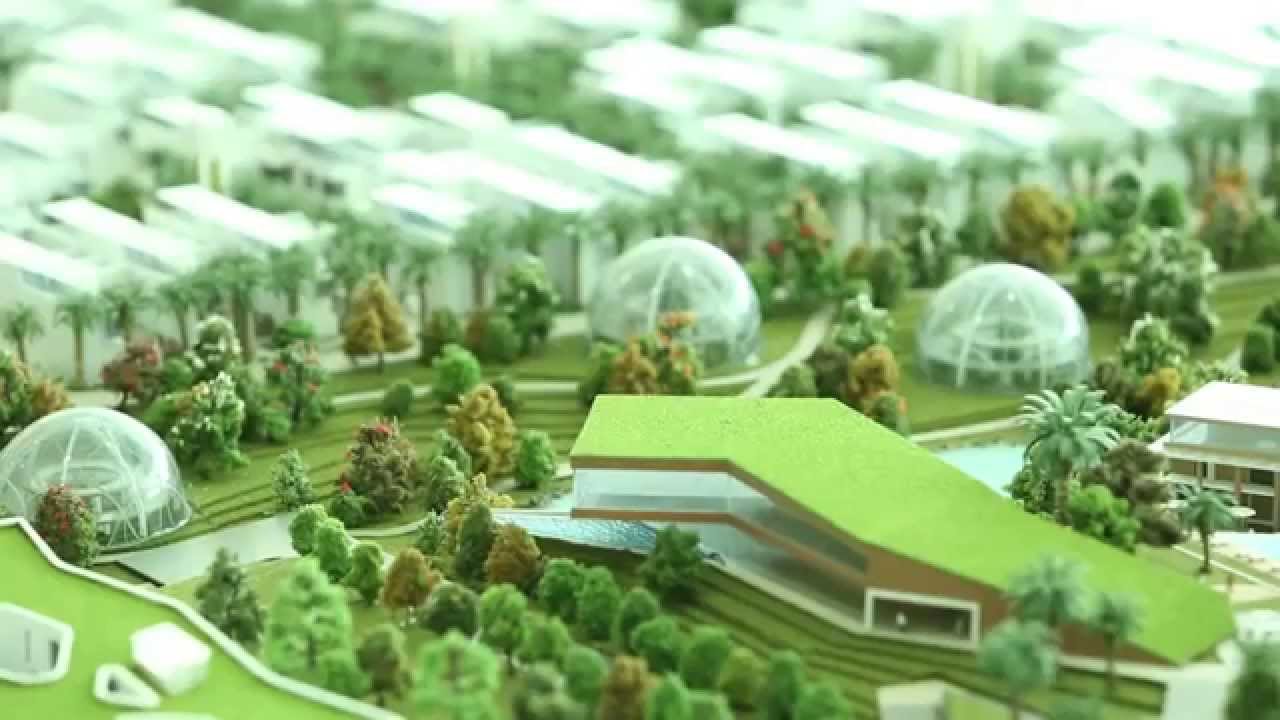
The 21st century is the century of the city. For the first time in human history, more than half of the global population resides in urban areas, a number projected to swell to nearly 70% by 2050. This relentless urbanization presents an unprecedented dual challenge: accommodating massive growth while simultaneously combating the climate crisis, resource depletion, and social inequality. Traditional urban development models, reliant on fossil fuels, linear consumption, and car-centric sprawl, are fundamentally unsustainable. They are the primary contributors to over 70% of global carbon dioxide emissions and consume over 60% of the world’s resources. In response to this urgent planetary need, a new paradigm has emerged: the Green Innovation City Model. This is not merely an aesthetic trend but a comprehensive, systemic overhaul of how we conceive, design, build, and inhabit our urban environments. It represents a transformative fusion of cutting-edge technology, ancient ecological wisdom, and progressive social policy, all aimed at creating urban spaces that are not just livable, but regenerative and thriving for all inhabitants. This in-depth exploration will dissect the core pillars of these sustainable urban blueprints, analyze pioneering global examples, and chart the path forward for integrating these vital innovations into the fabric of our future cities.
The Foundational Pillars of a Green Innovation City
A Green Innovation City is not defined by a single feature but by a holistic integration of interconnected systems. It’s a complex, living organism where each component works in synergy with the others. We can break down this holistic model into several critical pillars.
A. Integrated Urban Planning and Smart Land Use
The foundation of any sustainable city is thoughtful, forward-looking planning. This moves away from segregated zoning (where residential, commercial, and industrial areas are strictly separated) and towards mixed-use development.
-
Transit-Oriented Development (TOD): This strategy concentrates higher-density housing, businesses, and amenities within a walkable distance of high-quality public transportation hubs. This reduces dependency on private cars, shortens commutes, and creates vibrant, pedestrian-friendly neighborhoods.
-
Compact City Design: By promoting higher density and preventing urban sprawl, cities preserve surrounding natural habitats, reduce the energy required for transportation and infrastructure, and foster a stronger sense of community.
-
Green Corridors and Ecological Networks: Planning isn’t just for buildings. It involves creating interconnected networks of parks, greenways, urban forests, and waterways that allow wildlife to flourish, improve air quality, provide recreational space, and mitigate the urban heat island effect.
B. Revolutionary Energy Systems and Carbon Neutrality
The goal for a true green city is to achieve net-zero carbon emissions, primarily through a fundamental shift in its energy metabolism.
-
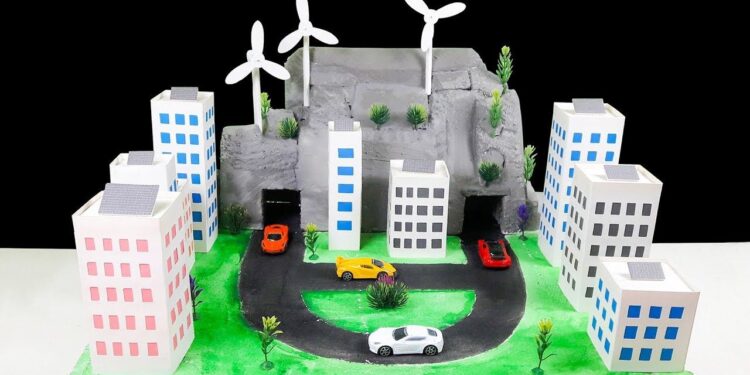
Decentralized Renewable Energy: Instead of relying on distant coal or gas plants, these cities generate power locally through solar panels on rooftops and facades, wind turbines, geothermal systems, and small-scale hydropower where possible.
-
Smart Grids and Energy Storage: A smart grid uses digital technology to manage electricity flow efficiently, balance supply and demand, and integrate intermittent renewable sources. Coupled with advanced battery storage systems (like large-scale lithium-ion or flow batteries) and vehicle-to-grid (V2G) technology, cities can store excess energy for when it’s needed most.
-
District Energy Systems: These are centralized networks that distribute heating and cooling (often from a highly efficient source like geothermal heat pumps, waste-to-energy plants, or deep lake water cooling) to multiple buildings. This is far more efficient than individual building systems.
C. Sustainable Water Management and Circular Hydrological Systems
Water is life, and in a green city, it is treated as a precious, cyclical resource.
-
Water-Sensitive Urban Design (WSUD): This approach mimics the natural water cycle. It involves capturing stormwater through permeable pavements, bioswales, and rain gardens, allowing it to infiltrate the ground to recharge aquifers rather than overwhelming sewer systems.
-
Greywater and Blackwater Recycling: Advanced treatment systems allow buildings or districts to recycle greywater (from showers and sinks) for toilet flushing and irrigation. Some pioneering cities even treat blackwater to potable standards, closing the loop entirely.
-
Efficient Infrastructure: From low-flow fixtures and smart leak-detection sensors to the use of native, drought-resistant landscaping (xeriscaping), every measure is taken to drastically reduce per capita water consumption.
D. Zero-Waste and the Circular Economy
A green innovation city aims to eliminate the concept of “waste,” viewing all byproducts as resources for another process.
-
Source Reduction and Recycling: The first step is to design products and packaging for longevity, repairability, and recyclability. Robust city-wide recycling and composting programs are mandatory.
-
Advanced Waste-to-Energy (WtE): For non-recyclable waste, modern, clean WtE plants can incinerate trash at extremely high temperatures, generating electricity while capturing pollutants. This is far superior to landfilling, which produces methane, a potent greenhouse gas.
-
Industrial Symbiosis: This is a hallmark of the circular economy. It involves colocating industries where the waste output of one becomes the raw material input for another, creating a closed-loop industrial ecosystem.
E. Intelligent, Multi-Modal Transportation Networks
The sustainable city is a connected city, prioritizing movement of people over movement of cars.
-
Public Transit as the Backbone: A reliable, affordable, extensive, and electrified network of buses, trams, light rail, and subways forms the core of the transportation system.
-
Active Transportation Infrastructure: Dedicated, safe, and extensive networks for cycling (protected bike lanes, bike-sharing programs) and walking are paramount. This promotes health, reduces congestion, and eliminates emissions.
-
Electric and Shared Mobility: The remaining vehicles should be electric and increasingly shared. This includes electric car-sharing services, e-bikes, e-scooters, and the eventual integration of autonomous electric vehicles, all integrated into a seamless Mobility-as-a-Service (MaaS) platform accessible via a smartphone app.
F. Green Building and Regenerative Architecture
Buildings account for a massive portion of energy and resource use. Green cities mandate that all new constructions and retrofits adhere to the highest sustainability standards.
-
Certification Standards: Standards like LEED (Leadership in Energy and Environmental Design), BREEAM (Building Research Establishment Environmental Assessment Method), and the Living Building Challenge push buildings to be net-zero energy and water.
-
Biophilic Design: This philosophy seeks to connect building occupants more closely to nature by incorporating natural lighting and ventilation, indoor plants, green walls and roofs, and natural materials. This improves well-being and productivity.
-
Sustainable Materials: Using locally sourced, recycled, and low-carbon construction materials (like cross-laminated timber instead of concrete and steel) drastically reduces a building’s embodied carbon footprint.
Pioneering Case Studies: Green Innovation in Action
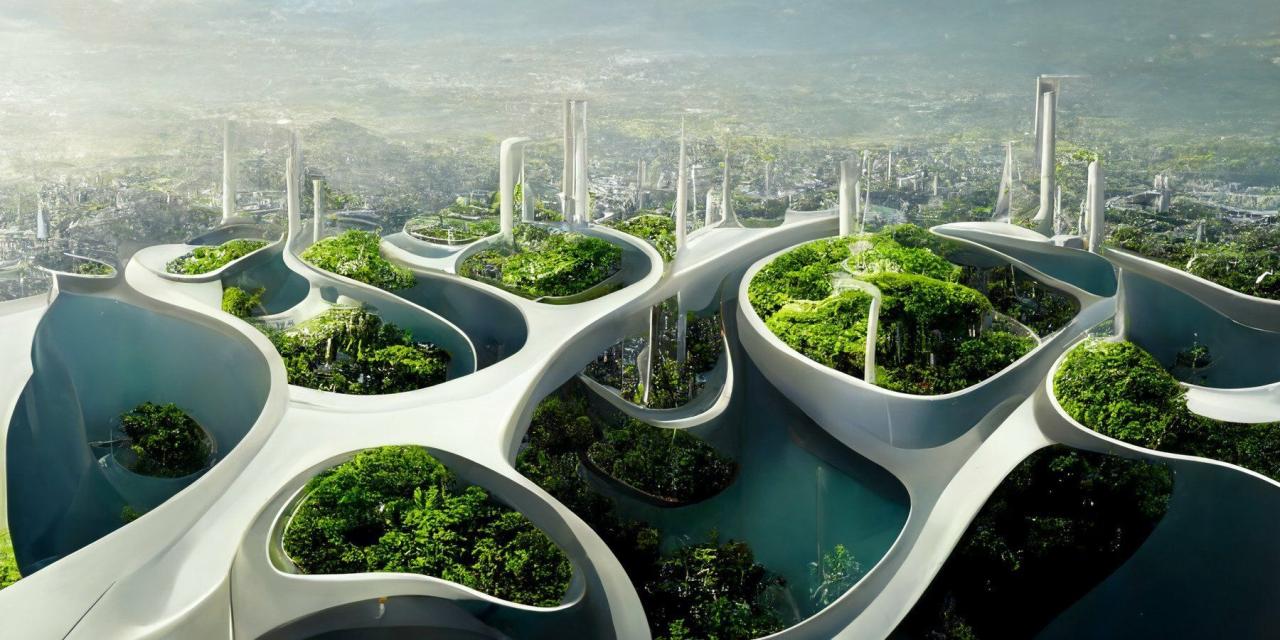
While no city is perfectly sustainable yet, several global frontrunners provide tangible, real-world models of green innovation.
A. Copenhagen, Denmark: The Carbon-Neutral Capital
Copenhagen’s ambition is to become the world’s first carbon-neutral capital by 2025. Its strategy is multifaceted:
-
Cycling Culture: Over 50% of all trips to work or school are made by bicycle, thanks to over 400 km of dedicated bike lanes, including innovative “green wave” traffic lights timed to cyclist speed.
-
District Heating: 98% of the city is heated by a state-of-the-art district heating network, largely powered by waste-to-energy plants and biomass.
-
Green Roofs: Policy mandates green roofs on all new buildings with a roof slope below 30 degrees, managing stormwater and providing insulation.
B. Singapore: The City in a Garden
With limited land and resources, Singapore has innovated vertically to integrate nature into its ultra-dense urban fabric.
-
Vertical Greenery: The city is a living laboratory of skyrise gardens, green walls, and iconic structures like the “Supertrees” at Gardens by the Bay, which are vertical gardens that also house environmental engines.
-
Water Reclamation: The NEWater project is a global benchmark. Through advanced membrane technology and ultraviolet disinfection, Singapore treats wastewater to ultra-clean, potable standards, meeting up to 40% of its current water demand.
-
Integrated Planning: The Land Transport Authority uses sophisticated data analytics to optimize bus routes, manage traffic in real-time, and promote public transit use.
C. Masdar City, Abu Dhabi, UAE: The Desert Laboratory
Though still under development, Masdar City is a purpose-built test bed for cutting-edge sustainable technologies.
-
Renewable-Powered: The city is powered by a 10-megawatt solar farm and panels on virtually every roof, aiming to be powered 100% by renewables.
-
Passive Cooling: Inspired by ancient Arabic architecture, its design creates a cool microclimate. Narrow streets, wind towers that catch desert breezes, and shaded walkways naturally lower temperatures.
-
Personal Rapid Transit (PRT): A fully automated, electric, underground network of pod cars provides zero-emission mobility within the city core.
D. Curitiba, Brazil: The Pioneer of Sustainable Transit
Long before it was fashionable, Curitiba innovated with its groundbreaking Bus Rapid Transit (BRT) system in the 1970s.
-
The BRT Revolution: The Rede Integrada de Transporte features dedicated bus lanes, tube stations with pre-paid boarding, and high-frequency service that mimics the efficiency of a subway at a fraction of the cost.
-
Social-Ecological Integration: The city famously exchanged bus tokens and food for recycling from low-income communities, simultaneously cleaning the city and alleviating poverty.
The Challenges and Roadblocks to Implementation
The transition to a green city model is fraught with significant obstacles that must be acknowledged and addressed.
-
A. Prohibitive Financial Costs: The upfront capital investment for new infrastructure smart grids, renewable energy installations, modern water treatment plants, and public transit systems is enormous. Cities often struggle with budgetary constraints and competing priorities.
-
B. Political and Governance Hurdles: Sustainable transformation requires long-term vision that transcends short political election cycles. It also demands unprecedented coordination across different municipal departments (transport, energy, water, housing) that traditionally work in silos.
-
C. Technological and Infrastructure Lock-In: Existing cities are built on centuries of legacy infrastructure. Retrofitting dense, old urban cores with new systems is far more challenging than building from scratch on a greenfield site.
-
D. Social Equity and Gentrification: Green improvements can increase property values and living costs, potentially displacing long-term, low-income residents. Ensuring that the benefits of sustainability are distributed equitably is a critical and often failed challenge.
The Future Trajectory: Emerging Trends in Urban Innovation

The evolution of the green city is continuous, with several exciting trends poised to redefine urban sustainability.
-
A. AI and Big Data for Urban Management: Artificial intelligence will optimize energy grids in real-time, predict traffic patterns to reduce congestion, and enable predictive maintenance for infrastructure, preventing failures before they happen.
-
B. Urban Agriculture and Vertical Farming: Hydroponic and aeroponic farms integrated into buildings will reduce food miles, increase food security, and recycle urban wastewater and nutrients.
-
C. Smart Buildings as Active Grid Participants: Buildings will become dynamic entities. They will generate their own energy, store it in batteries, and automatically sell excess power back to the grid during peak demand, acting as a decentralized virtual power plant.
-
D. Hyperlocal Material Cycling: Advanced on-site 3D printing using recycled construction waste and bioplastics could revolutionize how building components are produced, minimizing transport and waste.
Conclusion: The Imperative for Collective Action
The concept of the Green Innovation City is no longer a utopian fantasy but an operational necessity. The climate crisis and rapid urbanization have made the status quo an untenable path. The blueprints exist, the technologies are proven, and the pioneering examples provide a roadmap. The journey toward sustainable urbanism is undoubtedly complex, expensive, and politically challenging. It requires a fundamental shift in mindset from all stakeholders from policymakers and urban planners to investors, businesses, and citizens. However, the cost of inaction is infinitely greater. By embracing the integrated, holistic principles of green innovation, we can transform our cities from being the primary cause of our environmental problems into the central solution. We can build resilient, equitable, and thriving urban ecosystems that not only sustain life but enhance it for generations to come. The future of humanity is urban, and its future must be unequivocally green.