In the 21st century, the trajectory of global progress is increasingly being charted within the dynamic ecosystems of next-generation urban innovation hubs. These are far more than just physical co-working spaces or tech incubators; they are the vibrant, interconnected nerve centers where talent, capital, technology, and ambition converge to solve complex challenges and forge the future. This comprehensive guide delves deep into the essence of these powerful hubs, exploring their evolution, core components, profound impact, and the challenges they must overcome to truly transform our cities and societies.
Introduction: The New Engines of Economic Growth
The industrial revolution had its factories, the digital age had its silicon valleys, and today, the innovation economy has its urban hubs. These nexuses of creativity are purpose-built environments designed to accelerate the development and scaling of new ideas. They are the physical manifestation of a collaborative spirit, moving beyond the isolated corporate R&D lab to create open, synergistic communities. For municipalities, they are a powerful strategy for economic diversification, talent retention, and global competitiveness. For entrepreneurs and innovators, they provide the essential nutrients mentorship, funding, and network required to grow a fledgling idea into a world-changing enterprise.
The Evolution: From Industrial Parks to Living Ecosystems
To understand the “next-gen” hub, we must first look at its predecessors. The model has evolved dramatically over the decades.
A. The First Wave: Industrial and Science Parks
Post-World War II, the focus was on centralized manufacturing and basic research. Locations like Stanford Industrial Park (now Stanford Research Park) offered space and proximity to university resources but often lacked cross-disciplinary interaction and vibrancy. They were functional, but not inspirational.
B. The Second Wave: The Tech Incubator Boom
The dot-com era ushered in the rise of business incubators and accelerators like Y Combinator and Techstars. These programs focused intensely on business model validation, mentorship, and seed funding. While incredibly successful for startups, they were often program-based and temporary, not permanent community fixtures.
C. The Third Wave: Integrated Innovation Districts
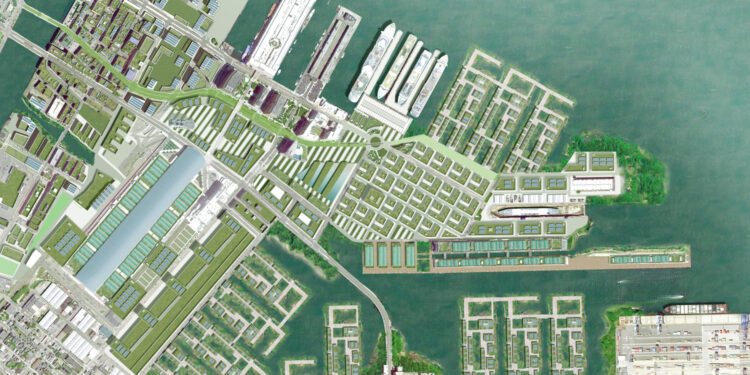
Today’s next-gen hubs represent a fusion of these models and more. They are characterized by their integration into the urban fabric, mixed-use design, and a focus on creating a “live-work-play-learn” environment. They are not just places to work; they are destinations designed to foster spontaneous collaboration and community 24/7. Examples include Toronto’s Waterfront TO, Stockholm’s Royal Seaport, and London’s Olympic Park.
Core Components of a Successful Next-Gen Innovation Hub
The magic of these hubs doesn’t happen by accident. It is the result of carefully cultivated and interconnected components.
A. Physical Infrastructure and Smart Design
The architecture and urban planning of a hub are fundamental. Key features include:
-
Flexible Workspaces: Open-plan labs, co-working spaces, private pods, and modular labs that can adapt to the changing needs of different companies.
-
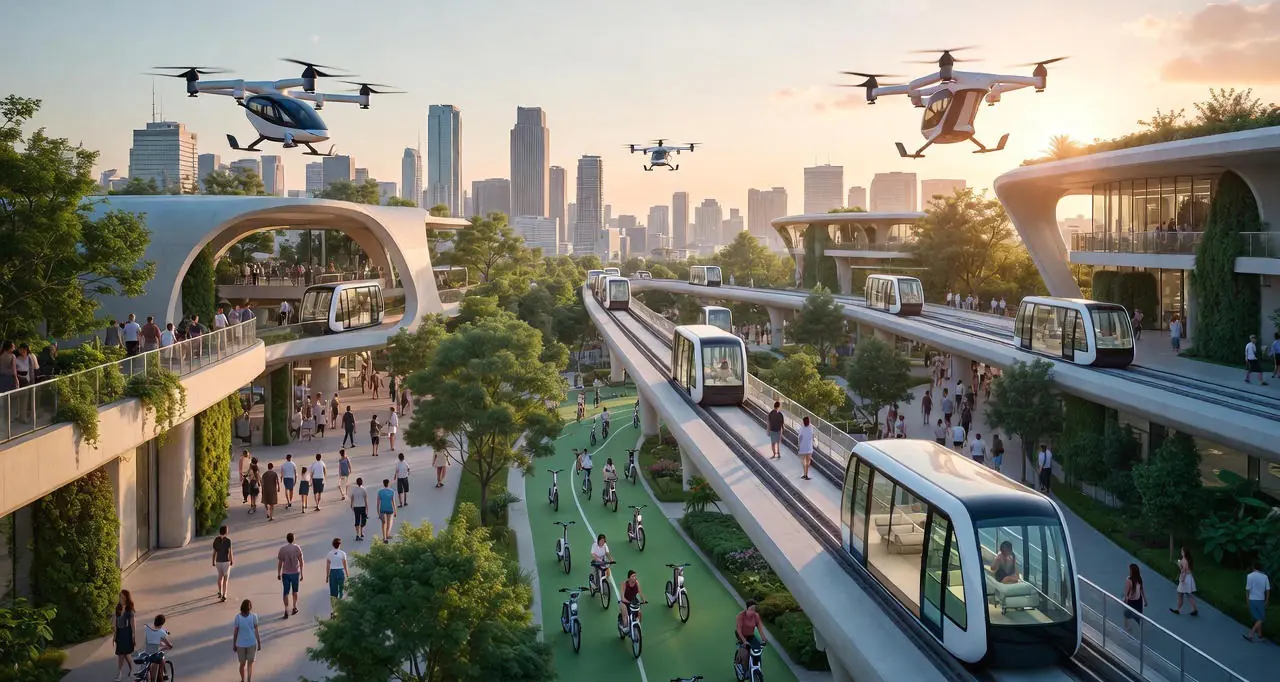
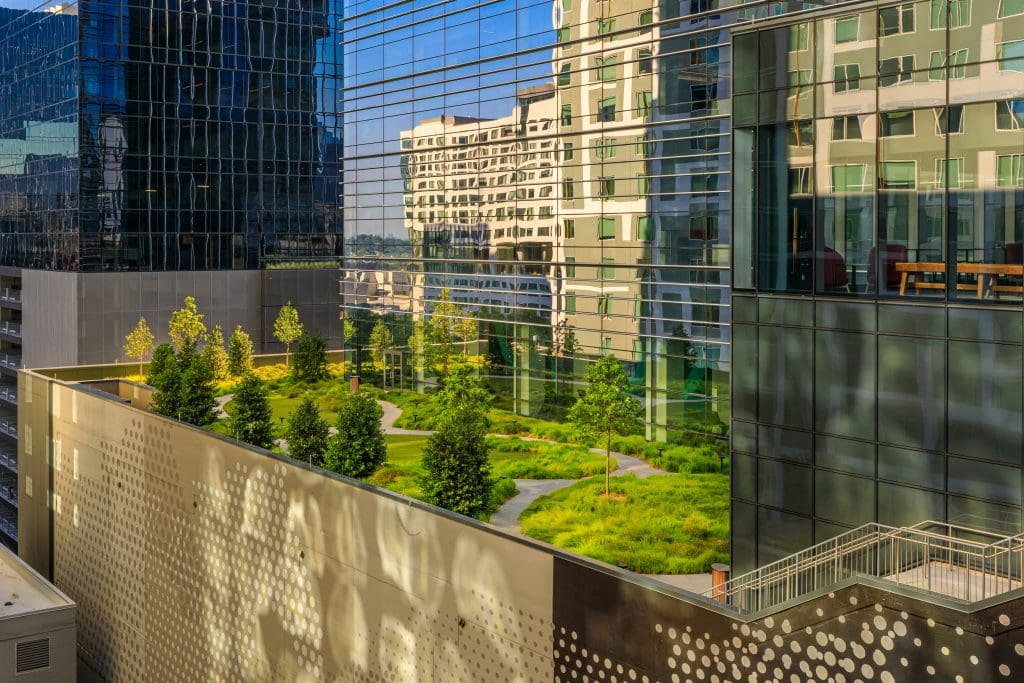
Public Realm and Green Spaces: Plazas, parks, and pedestrian-friendly pathways encourage interaction and provide mental respite. Biophilic design, which incorporates natural elements, is proven to boost creativity and well-being.
-
Mixed-Use Development: Seamlessly integrating residential apartments, retail shops, restaurants, hotels, and cultural venues (libraries, galleries, museums) ensures the area is alive at all hours.
-
Cutting-Edge Connectivity: Ubiquitous high-speed fiber optic internet, 5G coverage, and IoT sensors are the digital utilities, as essential as water and electricity.
B. A Thriving and Diverse Human Network
A building is just a shell without its people. The community is the soul of the hub.
-
Anchor Institutions: World-class universities and research hospitals act as talent feeders and sources of groundbreaking research ripe for commercialization.
-
Startups and Entrepreneurs: The lifeblood of the hub, driving disruptive ideas and agile innovation.
-
Established Corporations: Large companies engage for corporate venture capital, R&D partnerships, and to tap into the innovative culture of startups.
-
A Diverse Talent Pool: Success depends on attracting not just engineers and coders, but also designers, marketers, lawyers specializing in IP, data scientists, and artists.
C. Robust Financial and Support Systems
Ideas need capital to become reality. A mature hub provides a layered funding ecosystem.
-
Venture Capital and Angel Investors: A dense network of investors who understand the hub’s focus areas (e.g., biotech, AI, cleantech).
-
Government Grants and Incentives: Public funding for high-risk R&D, tax incentives, and streamlined permitting processes.
-
Accelerators and Mentorship Programs: Structured programs that provide seed funding, intensive mentorship, and networking opportunities in exchange for equity.
D. Forward-Thinking Governance and Policy
The rules of the game can either spur innovation or stifle it.
-
Collaborative Leadership: A governing body or alliance that includes representation from the public sector, private industry, academia, and the community.
-
Pro-Innovation Policy: Sandboxes for testing new technologies (e.g., autonomous vehicles), supportive regulations for new business models, and intellectual property frameworks that protect inventors while encouraging collaboration.
-
Commitment to Sustainability: Policies mandating green building standards (like LEED Platinum), circular economy principles, and carbon-neutral goals.
The Tangible Impact: Why Cities Are Betting on Hubs

The investment in these hubs is significant, but the returns can be transformative.
A. Supercharged Economic Development and Job Creation
Hubs are powerful job engines. They create high-wage employment not only within the startups themselves but also in supporting industries and the local service economy. They attract foreign direct investment and increase the city’s tax base.
B. Accelerated Technological Advancement and Commercialization
By reducing the friction between research and market, hubs dramatically speed up the innovation cycle. A discovery in a university lab can be tested in a startup within the same district, piloted on the city’s streets, and scaled with local corporate partners.
C. Urban Regeneration and Placemaking
Many next-gen hubs are strategically located in underutilized or post-industrial areas. Their development serves as a catalyst for widespread urban renewal, improving infrastructure, cleaning up brownfields, and transforming neglected neighborhoods into desirable, high-value destinations.
D. Enhanced Talent Attraction and Retention
Cities with vibrant innovation hubs become magnets for the world’s best and brightest. Ambitious students, researchers, and professionals gravitate to these dynamic environments, creating a self-reinforcing cycle of talent accumulation.
E. Proving Grounds for Sustainable Solutions
Next-gen hubs are ideal testbeds for smart city technologies. Solutions for energy management, waste reduction, intelligent transportation, and resilient infrastructure can be piloted at a district scale before being rolled out across the wider metropolis.
Significant Challenges and Critical Considerations
Despite their promise, building a successful hub is fraught with challenges.
A. The Peril of Gentrification and Social Displacement
The economic success of a hub can drive up property values and living costs, often displacing long-term, lower-income residents. This creates economic segregation and undermines the social license to operate.
B. The “Field of Dreams” Fallacy
The “if you build it, they will come” approach is a common mistake. A shiny new building without an existing community, strong anchor institutions, or a clear strategic focus will likely remain empty. Organic growth must be nurtured, not forced.
C. Ensuring Inclusivity and Equitable Access
Innovation economies have historically struggled with diversity. Hubs must be intentionally designed to be inclusive, providing pathways for underrepresented minorities, women, and local community members to participate, benefit, and lead.
D. Navigating Bureaucracy and Political Hurdles
Innovation moves quickly, while government processes often move slowly. Navigating zoning laws, procurement rules, and regulatory compliance can stifle the very agility these hubs are meant to foster.
E. Long-Term Financial Sustainability
The initial capital investment is enormous. Developing a viable financial model that balances public investment with private returns, and ensures the hub’s maintenance and programming long-term, is a complex task.
The Future Horizon: Trends Shaping Tomorrow’s Hubs
The evolution continues. The next generation of hubs will be shaped by emerging trends.
A. The Rise of Thematic and Specialized Hubs
Instead of general tech hubs, we will see more focused ecosystems built around specific challenges like climate tech (e.g., Greentown Labs), life sciences, artificial intelligence, or the future of mobility.
B. Deep Integration of AI and Digital Twins
Hubs will utilize AI to optimize energy use, traffic flow, and space utilization. Digital twins virtual replicas of the physical district will allow for simulation, planning, and real-time management of urban systems.
C. Hyper-Personalization through Data
IoT sensors will gather data on everything from space usage to environmental quality. This data will be used to personalize the experience for tenants and visitors, optimizing everything from their commute to their workspace environment for peak productivity and well-being.
D. A Greater Emphasis on Resilience and Wellness
Post-pandemic, hubs will prioritize healthy buildings with superior air filtration, access to outdoor spaces, and designs that promote mental and physical well-being. They will also be engineered for climate resilience, with robust infrastructure to withstand extreme weather events.
Conclusion: Building the Blueprint for Collaborative Progress
Next-generation urban innovation hubs represent a profound shift in how we organize our economic and creative capacities. They are not silver bullets for all urban challenges, but when executed with thoughtful design, inclusive governance, and a clear vision, they become powerful catalysts for sustainable and shared prosperity. They are the modern-day agora the central gathering places where the most pressing problems of our time are met with the collective intelligence, passion, and resourcefulness of a connected community. The cities that succeed in cultivating these dynamic ecosystems will not only lead the global economy but will also define the quality of life for the century to come.